
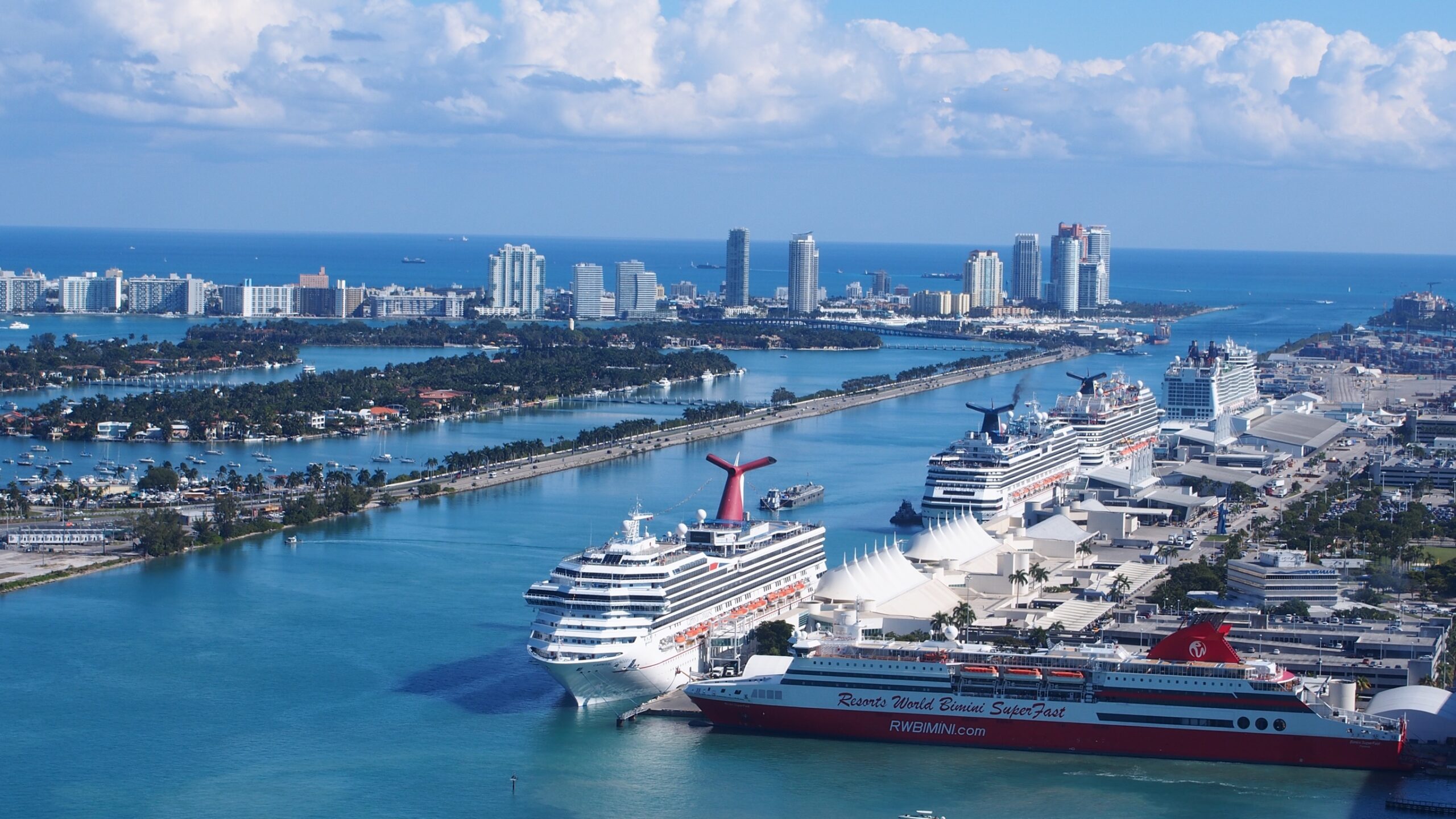
-Real Estate Investments in Miami and Miami Beach-
Investing in a Miami property offers a dual opportunity: generating passive income and benefiting from appreciation in value over time.
The total purchase price can be financed up to a maximum of 70%. This means that, to make a real estate investment in Miami, a foreign buyer needs only the remaining 30% as equity—a level of leverage that allows them to optimize their invested capital and evaluate multiple opportunities simultaneously.
Here are some real-life examples of properties currently available on the market, with prices starting at $385.00 for the property itself (so, in the case of 70% financing...the initial investment would be $115,000)
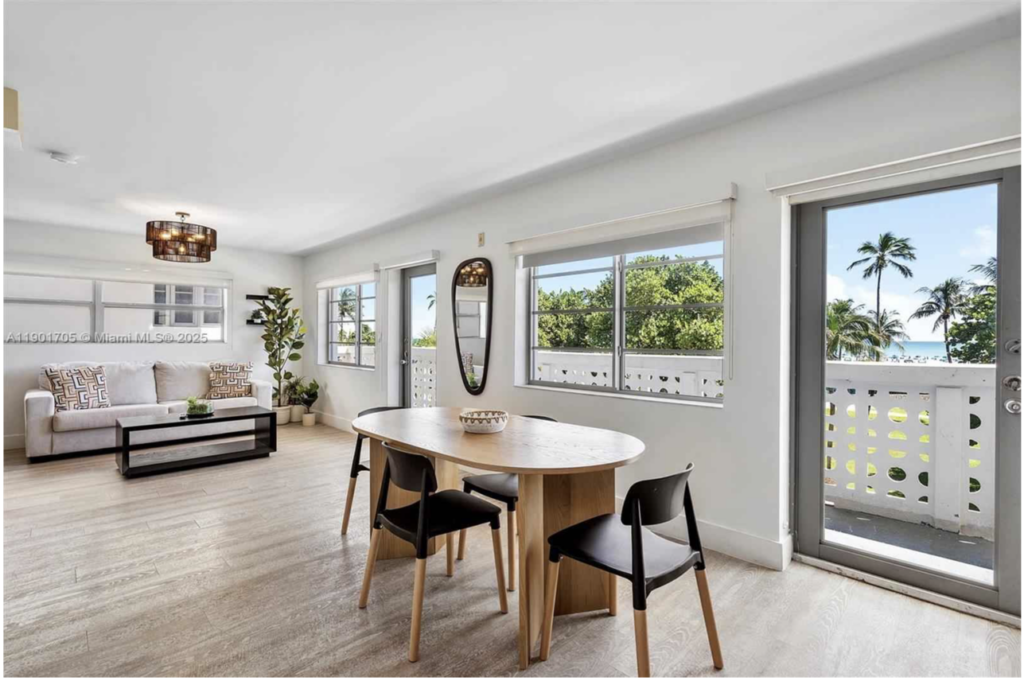
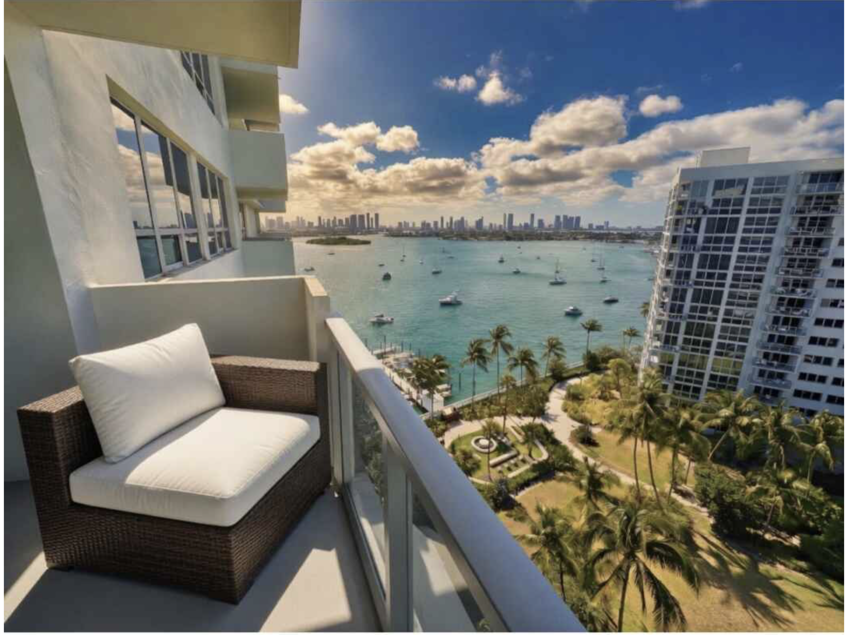

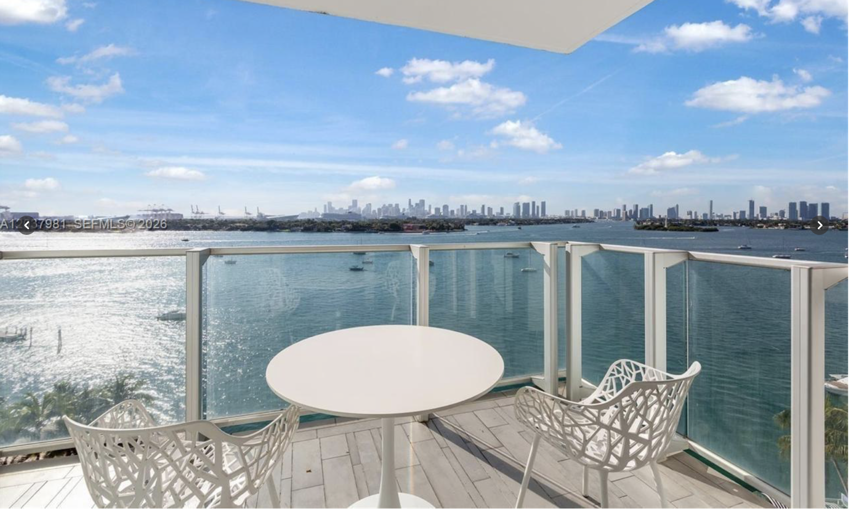

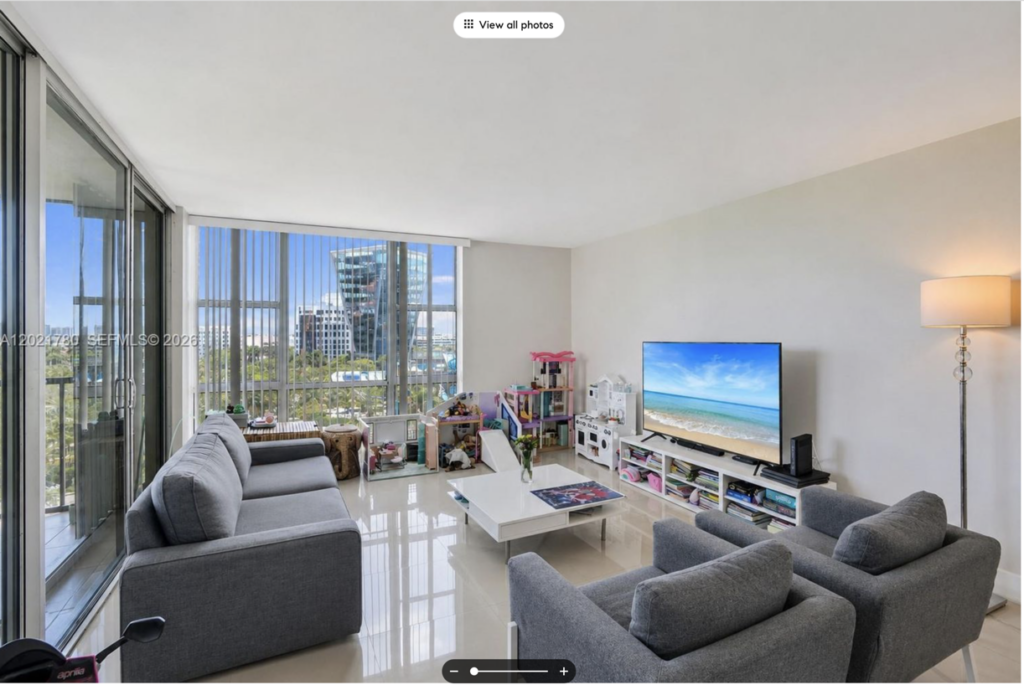
Click on each image to access the full property listing, with details on pricing, features, and income potential.
N.B. Real-world examples available on the market as of July 17, 2026. The real estate market moves quickly: some of the properties presented may already be sold by the time you consult this. No problem — we can provide you with updated, tailored examples based on your needs: contact us.
Without mortgage interest, net income is higher and better protected against potential rate fluctuations.
How to Monetize a Property in Miami Beach: Practical Example and Appreciation Potential
Investing in real estate in Miami it offers a dual opportunity: to obtain passive income through rentals and to benefit from value appreciation over time. Here is a practical example updated to current market values: an apartment at the current median price in the area, already rented, with realistic management costs.
Rental Investment Example (updated data)
Purchase Price of the Apartment: $430.000 (current median price of a condo in Miami) Estimated Monthly Rent: $2.800 (Approximate — varies by area and type; the citywide average for a studio apartment is about $2,660 per month) Annual Management Costs: $10.500 (updated estimate: HOA, taxes, maintenance, insurance)
⚠️ Note: rent and operating costs vary significantly depending on the specific property. This example is for illustrative purposes only — every evaluation must be made on a case-by-case basis with our team.
📌 ImportantActual rental income can vary greatly from property to property, depending mainly on two factors: the position (area, proximity to the sea, neighborhood) and the chosen management mode — long-term, medium-term, or very short-term rental (like Airbnb). Each option has very different returns, management costs, and levels of commitment: we'd be happy to discuss this in a dedicated consultation.
Purchase Options and Profitability
Before choosing between the two paths, a key point to always keep in mind: The bank can finance up to 70% of the property's value. The remaining 30% must come from the buyer’s own capital. This is the standard limit for foreign buyers in the Miami market and should be considered the starting point for any investment planning.
1. Purchase with Financing at the Maximum Allowed Amount (70%)
- Initial Investment: the remaining 30% of the value, that is, $129,000 — the bank covers the maximum eligible amount of 70%, equal to $301,000.
- Annual Gross Rental Income: $2,800 × 12 = $33,600
- Annual Management Fees: -$10,500
- Mortgage Interest and Costs: estimated at approximately $11,000 per year (current 30-year rates: 6.0–6.3%)
- Net Annual Income: approximately $12,100
By taking full advantage of the available leverage (70%), the buyer commits only a portion of the capital, thereby retaining liquidity to evaluate additional investment opportunities.
2. Full Payment Purchase
- Initial Investment: $430,000, covering the full value of the property (no financing, although financing of up to 70% is available).
- Annual Gross Rental Income: $33,600
- Annual Management Fees: -$10,500
- Net Annual Income: approximately $23,100
Without mortgage interest, net income is higher and better protected against potential rate fluctuations.
Revaluation Potential in Miami and Miami Beach — 2026 Real Data
The latest data confirms a market in a phase of rebalancing but still growing, with marked differences between segments:
- The median price of condos in Miami has risen to $430.000, with an appreciation of 4,9% in the last year.
- In Miami Beach, the median home price stands at $625,000 and $640,000, up by about 5% on an annual basis.
- The single-family home segment in Miami reached a median price of $671.250, +3.3% year-over-year, with a 5.3% increase in the number of completed transactions.
- Sales in the “millionaire” bracket in South Florida grew by 18% since the beginning of the year, a sign of still very solid demand in the high-end segment.
- The real estate segment beachfront registered the best performance, with revaluations between’11% and 18%on an annualized basis in 2025, driven by demand that exceeds supply by a ratio of 4 to 1.
- 30-year mortgage interest rates remain stable between 6.0% and 6.3%, with some forecasts calling for a gradual decline to 5.25% by the end of the year.
In short: The Miami market in 2026 is no longer experiencing the post-pandemic surge, but it remains one of the strongest in the United States, with steady appreciation in the mid-range segment (4-5% annually) and much stronger performance in the waterfront and luxury segments (up to 18% annually).
With an average annual appreciation of 5%, a property purchased today for $430,000 could be worth approximately $497,000 in 3 years — plus the rental income collected in the meantime.
Are you interested in learning more? Take a look at the real examples in the image gallery above and click on the one you are interested in to see the full details. If the property you like has been sold in the meantime, no problem: write to us and we will immediately send you updated examples that match your budget and goals.
Remember: With financing covering up to 70% of the value, getting started with these investments requires a smaller initial investment than you might think. Let’s talk about it together.
Market data sources: Miami Association of Realtors, Redfin, Houzeo, MIAMI REALTORS®+RWorld — data updated as of June/July 2026. It is recommended to verify specific values at the time of evaluation, given that the market is in a rebalancing phase.
 English